Outdoor Living Spaces in Cumming, GA: How to Turn Your Backyard Into an Extension of Your Home
A Great Outdoor Living Space Starts With a Purpose
A beautiful backyard can add a lot to a home, but the best outdoor living spaces do more than simply look good. They give homeowners a reason to use the yard more often. For families in Cumming, GA and throughout Forsyth County, a thoughtfully designed outdoor space can become a natural extension of the home, creating more room for meals, entertaining, relaxing, and spending time outside.
Before choosing materials, furniture, or decorative features, it helps to think about how the space will actually be used. Some homeowners want an outdoor kitchen where they can cook and entertain. Others want a comfortable patio with a fireplace, a quiet seating area surrounded by landscaping, or a combination of several zones that serve different purposes.
Starting with function makes it easier to build a backyard that feels intentional instead of pieced together. A patio may look beautiful on its own, but it becomes much more useful when it connects naturally to walkways, seating areas, lighting, plantings, and other outdoor features.
Think About How You Want to Use the Backyard
Homeowners planning an outdoor living project in Cumming should begin by identifying what is missing from the current yard. A space that feels underused often has a practical reason behind it. There may not be enough shade, the seating area may feel disconnected from the house, or the yard may lack a comfortable place for people to gather.
- Outdoor dining: A patio or dining area can create a comfortable place for family meals and casual entertaining.
- Cooking and entertaining: An outdoor kitchen can make it easier to host guests without constantly moving between the house and backyard.
- Relaxation: A quiet seating area, fire feature, or water feature can make the yard feel more inviting at the end of the day.
- Family gatherings: Larger patios and connected seating areas can provide enough room for birthdays, holidays, and weekend get-togethers.
- Year-round use: Fireplaces, fire pits, lighting, and covered areas can make an outdoor space more comfortable during different seasons.
- Better flow: Walkways, steps, and transitions between different parts of the yard can make the entire property easier to use.
The size of the yard does not necessarily determine how useful it can become. A smaller backyard may benefit from a compact patio with built-in seating and carefully selected plantings, while a larger property may support separate areas for dining, cooking, gathering, and relaxing.
A professional landscape design can help organize those ideas into one complete plan. Instead of deciding on each feature separately, homeowners can consider how the patio, pathways, plants, lighting, stonework, and gathering spaces will relate to one another.
For homeowners searching for outdoor living design in Cumming, GA, starting with the purpose of the space is one of the most important steps. When the design reflects the way the household actually lives, the backyard is more likely to become a place that is used regularly instead of an area that simply looks attractive from inside the house.
Build the Space Around How You’ll Actually Use It
Once the purpose of the backyard is clear, the next step is choosing the features that support it. Outdoor living spaces can include everything from simple patios and planting beds to complete entertainment areas with outdoor kitchens, fireplaces, lighting, masonry, and custom landscaping.
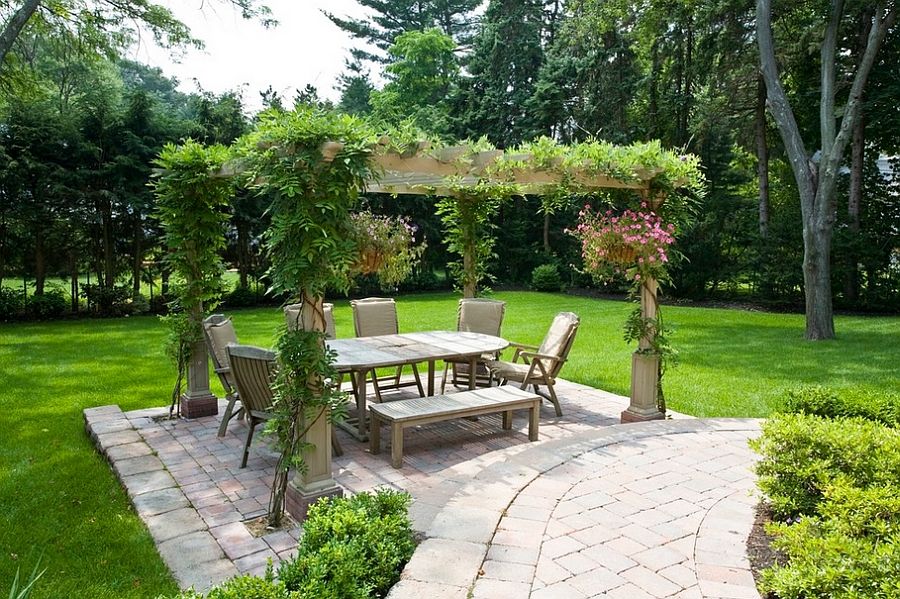
A patio often becomes the foundation of an outdoor living design because it creates a defined place for furniture, dining, and gathering. The size and shape should reflect the number of people who will regularly use the space and the types of activities planned for it. A patio intended for a small seating group will require a different layout from one designed around a large dining table and outdoor kitchen.
Outdoor kitchens can be especially useful for homeowners who entertain frequently. By keeping cooking and food preparation close to the gathering area, the backyard can function more like an outdoor room rather than simply a place to place a grill.
- Patios: Provide a stable and defined surface for dining, furniture, entertaining, and everyday outdoor use.
- Outdoor kitchens: Create a dedicated area for cooking, serving, and gathering with family or guests.
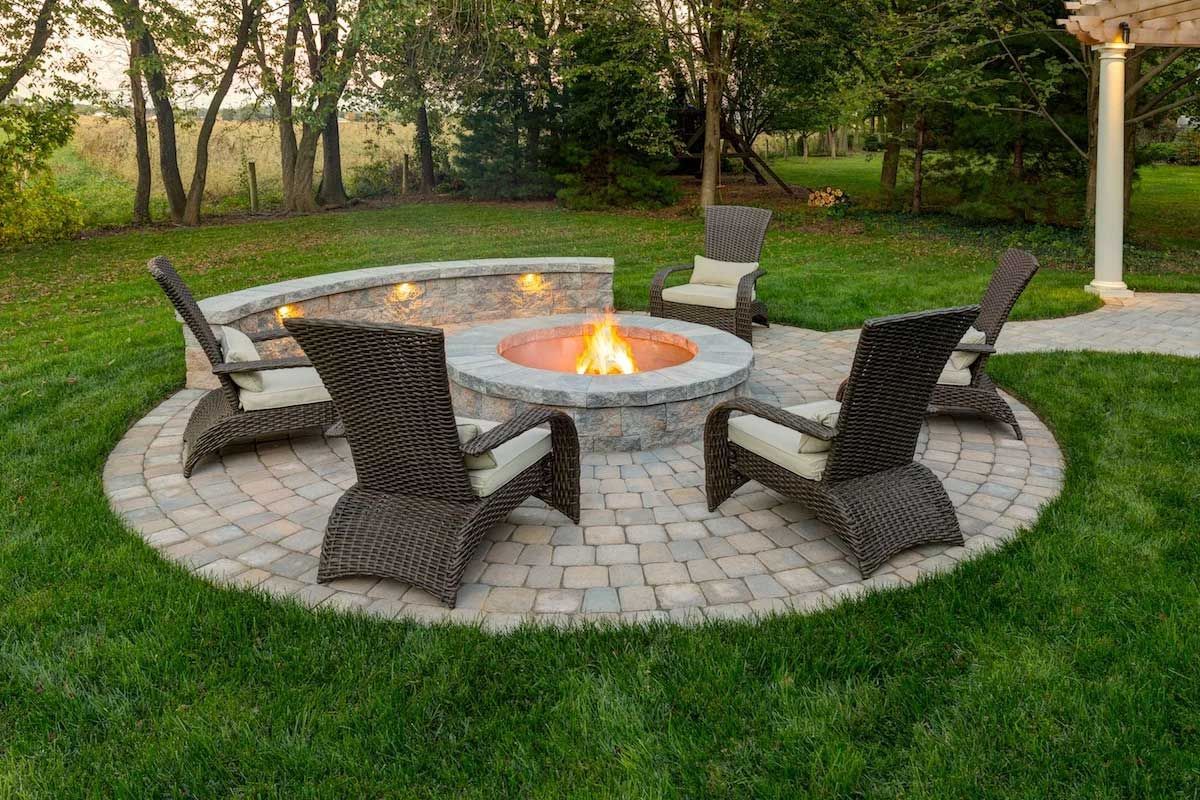
- Fireplaces and fire pits: Add warmth, atmosphere, and a natural focal point for seating areas.
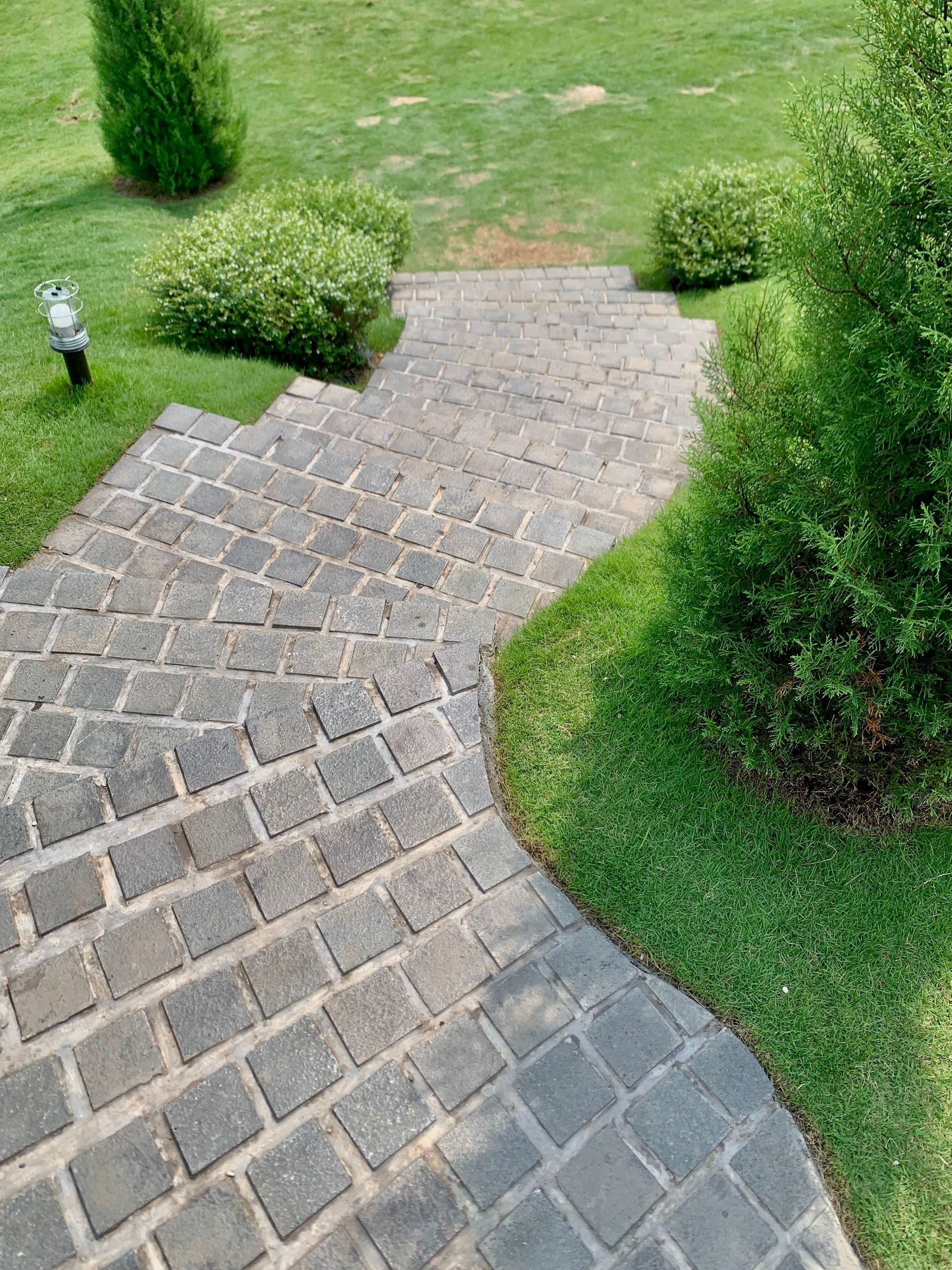
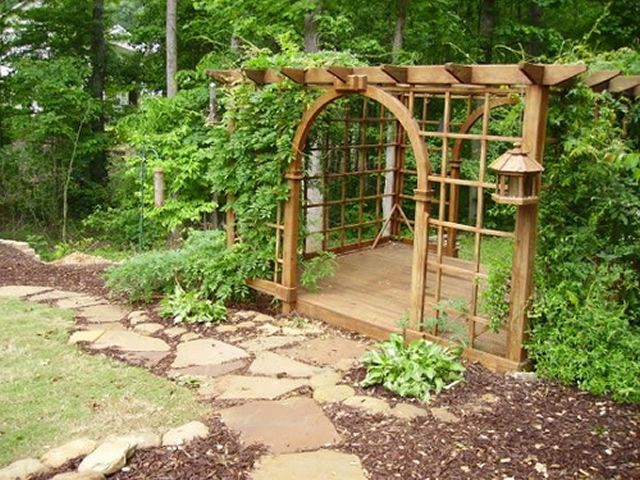
- Walkways and stone steps: Connect different areas of the property while improving access and flow.
- Landscape lighting: Makes pathways and gathering spaces more usable after dark while highlighting important features.
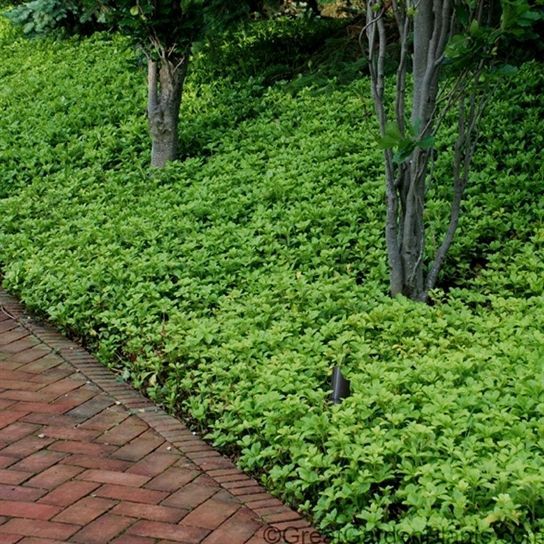
- Planting beds: Soften hardscape areas and help outdoor living spaces feel connected to the surrounding landscape.
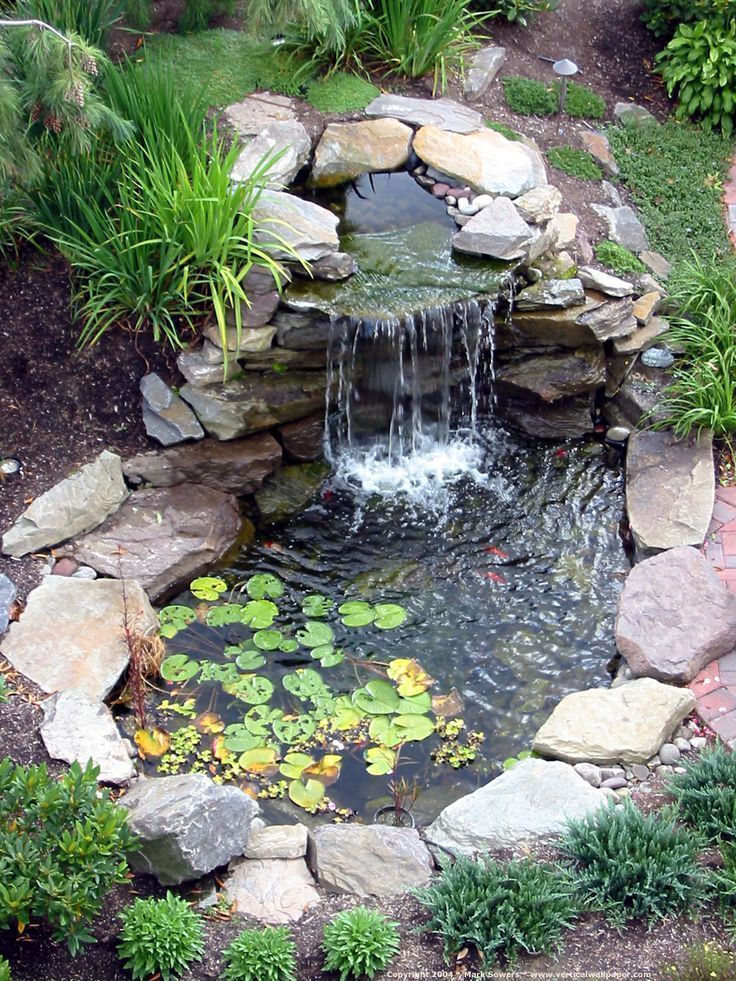
- Water features: Can add movement and sound while creating a more relaxing atmosphere.
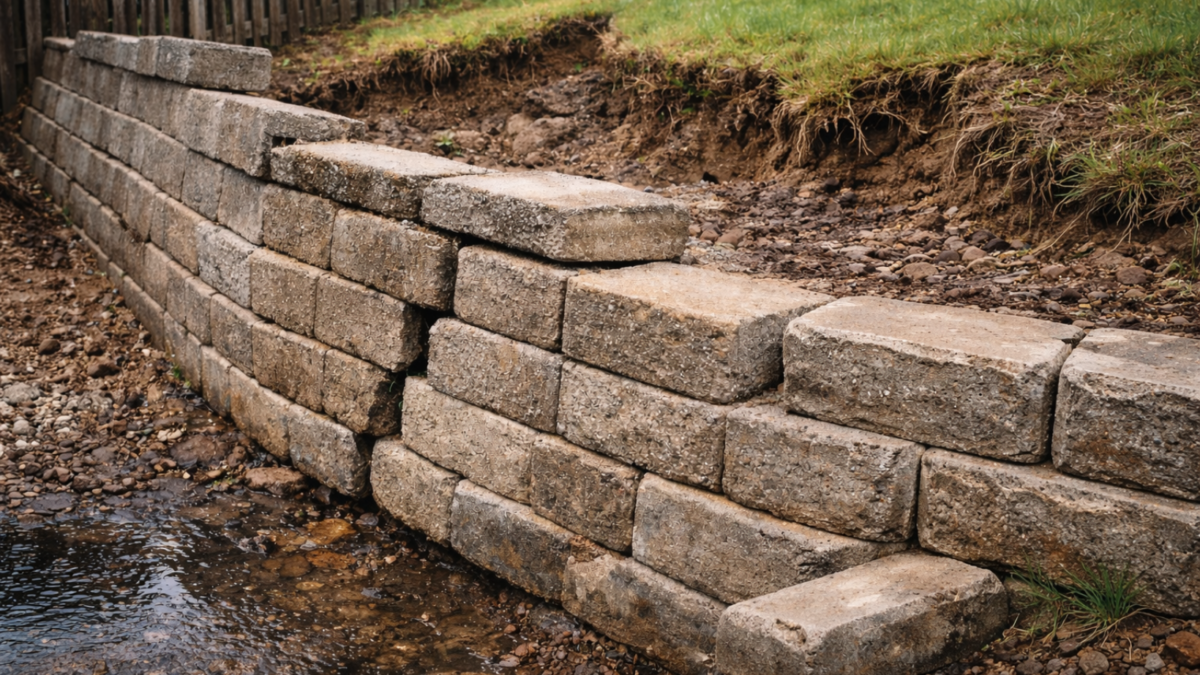
- Retaining or seating walls: Can help manage elevation changes while also adding structure or extra places to sit.
Don’t Forget Drainage, Grading, and the Existing Landscape
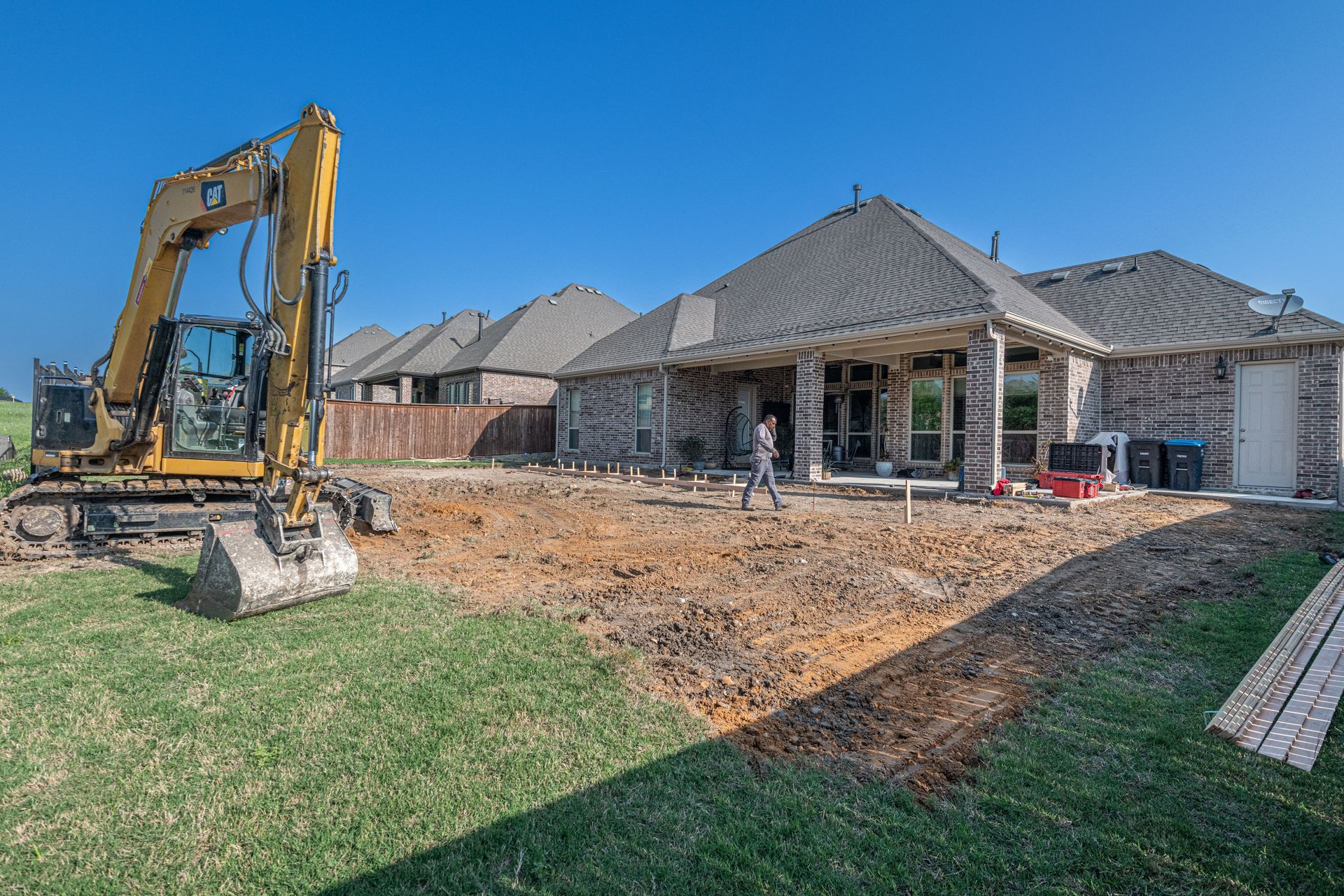
One of the biggest mistakes in outdoor living design is focusing only on what will be visible when the project is finished. Patios, kitchens, fireplaces, and landscaping all need to work with the existing property. In North Georgia, that often means paying close attention to slopes, clay soil, stormwater movement, and drainage.
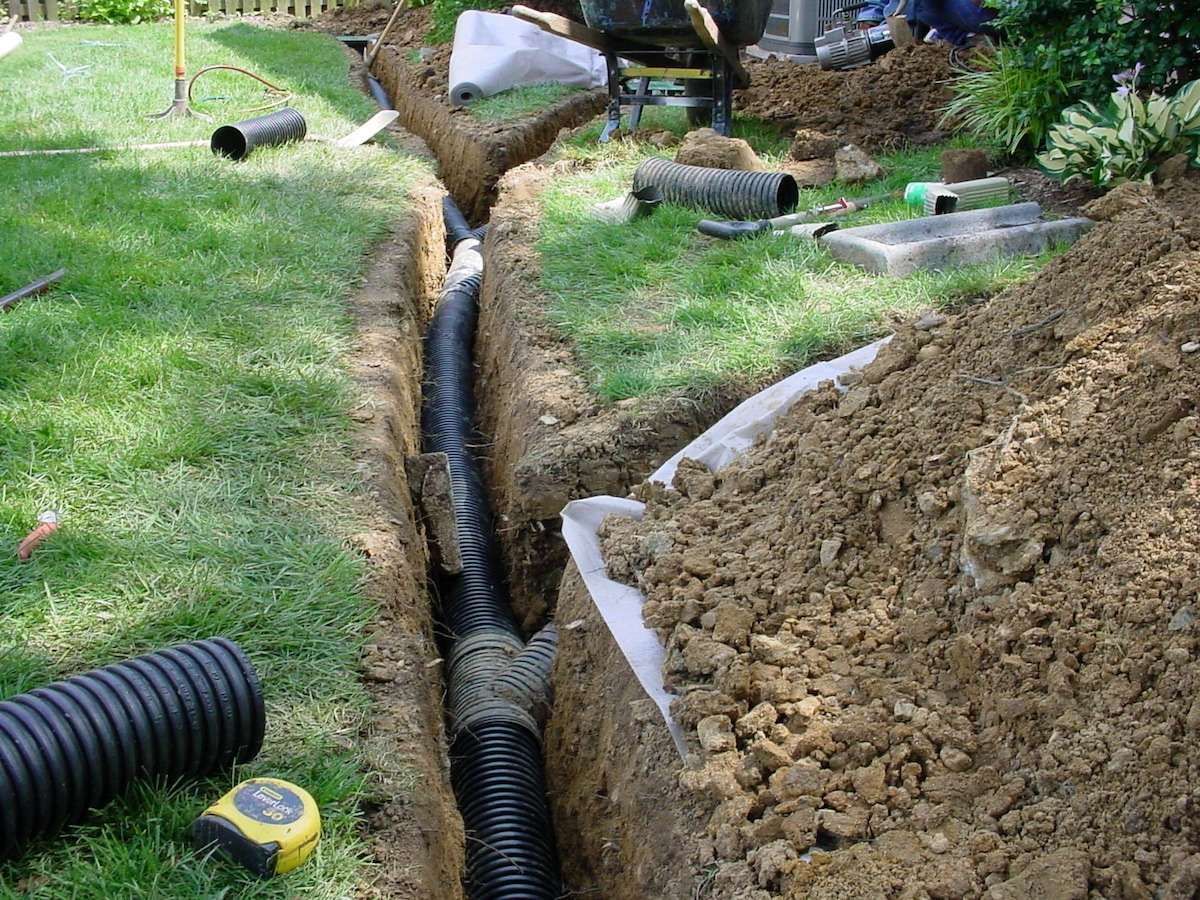
A beautiful patio placed in the wrong part of the yard can become frustrating if water regularly collects around it. Similarly, adding hardscape without considering where rainfall will travel may create new drainage problems elsewhere on the property. Grading and drainage should be part of the design process, not something homeowners think about only after water starts pooling.
The existing landscape also matters. Mature trees can provide valuable shade and character, but their roots, canopy, and location may affect where new features can be placed. Natural elevation changes can sometimes be incorporated into the design with retaining walls, steps, or terraced planting areas instead of treating the slope as an obstacle.
Create Comfortable Zones Instead of One Large Open Area
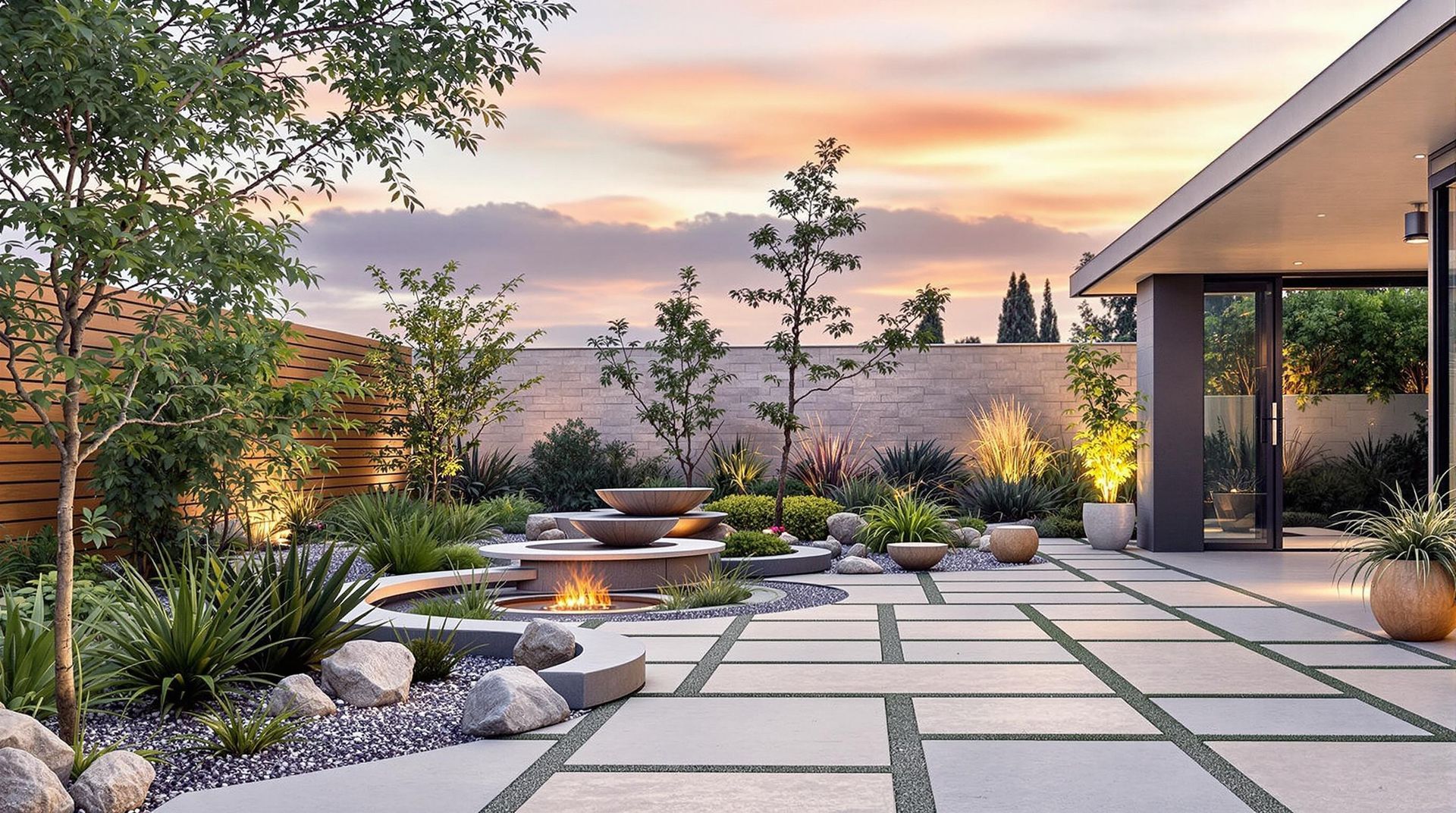
Larger outdoor spaces often feel more inviting when they are divided into several connected zones. A dining area can sit near the outdoor kitchen, while a separate seating area surrounds a fireplace or water feature. Plantings, low walls, changes in paving materials, and pathways can subtly define these spaces without making the yard feel divided.
Zoning also allows a backyard to support several activities at the same time. Adults may be gathered around a dining table while children play elsewhere in the yard, or some guests may sit near the fire while others gather around the cooking area.
For backyard landscaping in Cumming, Forsyth County, and surrounding North Georgia communities, this type of planning can make the property feel larger and more organized. Instead of filling the yard with unrelated features, each part of the landscape contributes to the way the entire outdoor living area functions.
Why Outdoor Living Works Best as One Connected Design
Outdoor spaces often evolve slowly. A homeowner may install a patio one year, add a fire pit later, plant new landscaping after that, and eventually decide to build an outdoor kitchen. There is nothing wrong with completing a project in phases, but the finished yard usually feels more polished when each phase is part of a larger plan.
A connected design considers how people will move between the house and yard, where they will naturally gather, which areas need lighting, and how hardscape features should transition into the landscaping. Materials and finishes can also be coordinated so patios, stonework, walls, and other elements feel like they belong together.
Homeowners do not necessarily need to build the entire project at once. A landscape plan can establish the long-term vision first, allowing different portions of the backyard to be completed over time without creating conflicts later.
Before beginning an outdoor living project, it helps to make a few decisions about how the property should function.
- Think about how many people you typically entertain outdoors.
- Identify parts of the yard that are currently difficult or uncomfortable to use.
- Observe which areas receive sun and shade at different times of day.
- Consider where additional privacy may be useful.
- Look for existing slope, drainage, or erosion concerns.
- Choose materials that complement the home and surrounding landscape.
- Decide whether the project will be completed at once or built in phases.
Thinking through these details early helps prevent situations where one feature interferes with another. For example, installing a patio before planning an outdoor kitchen could limit future utility locations or leave too little room for the cooking area. Similarly, adding landscaping without considering future walkways or lighting may require parts of the work to be changed later.
Outdoor Living Design in Cumming and Forsyth County
Horticultural Gardens provides landscape design and outdoor living services for homeowners in Cumming, Forsyth County, and surrounding North Georgia communities. By combining landscape design, masonry, patios, outdoor kitchens, fire features, water features, lighting, retaining walls, and planting design, an underused backyard can become a functional part of the home.
Working with one outdoor living and landscape team can also make it easier to coordinate the different parts of a project. Instead of treating drainage, grading, hardscape, planting, and lighting as unrelated jobs, each element can be considered as part of the same design.
Horticultural Gardens serves homeowners throughout Cumming and Forsyth County, as well as Roswell, Alpharetta, Dawsonville, Johns Creek, Milton, Gainesville, Buford, Canton, and other nearby North Georgia communities. For homeowners searching for outdoor living spaces in Cumming, GA, patio design in Forsyth County, or complete backyard landscaping in North Georgia, a professionally planned design can help make better use of the entire property.
Turn an Underused Backyard Into a Space You Want to Spend Time In
A successful outdoor living space should feel like more than a collection of attractive features. The patio should connect naturally to the home. Walkways should lead people where they need to go. Landscaping should soften and frame the space. Lighting should make important areas usable after sunset. Fire, water, or masonry features should add to the overall experience rather than compete for attention.
The best place to begin is by thinking about what would make you spend more time outside. Maybe the backyard needs a comfortable dining area where the family can eat together. Maybe an outdoor kitchen would make entertaining easier. Perhaps the yard already has plenty of space but lacks pathways, seating, lighting, or landscaping that makes it feel inviting.
- Decide how you want to use the outdoor space most often.
- Identify the features that would make those activities easier or more enjoyable.
- Consider the property's slope, drainage, sunlight, and existing landscaping.
- Plan how patios, pathways, plantings, lighting, and gathering areas will connect.
- Create a complete landscape plan, even if the project will be built in stages.
If you are ready to create an outdoor living space in Cumming, Forsyth County, or the surrounding North Georgia area, Horticultural Gardens can help bring the landscape and hardscape together into one cohesive design. With thoughtful planning, your backyard can become more than an attractive view from the house—it can become another place to cook, gather, relax, and enjoy your home.