Is Your Retaining Wall Failing? Warning Signs Cumming, GA Homeowners Should Know
What Your Retaining Wall May Be Trying to Tell You
Retaining walls are easy to think of as decorative landscape features, especially when they are built from attractive stone or block and surrounded by planting beds. But a retaining wall has an important job to do. It holds back soil, manages changes in elevation, helps control erosion, and can turn a steep or uneven section of a property into usable outdoor space. When a wall begins to move or deteriorate, the problem may be more than cosmetic.
For homeowners in Cumming and throughout Forsyth County, changes in a retaining wall are worth paying attention to. North Georgia properties often include slopes, elevation changes, clay-heavy soil, and drainage challenges. A wall that has performed well for years can eventually begin showing signs that soil pressure, water, age, or deterioration is affecting its stability.
Some changes happen gradually enough that homeowners get used to seeing them. A wall may lean slightly more each year, or a small gap between blocks may slowly become larger. Recognizing these changes early gives you an opportunity to have the wall evaluated before the surrounding landscape is affected.
Warning signs that your retaining wall may need professional attention include:
- Sections of the wall leaning forward or backward
- Visible bulging or bowing
- Cracks developing in masonry or concrete
- Blocks, stones, or timbers beginning to separate
- Sections of the wall sinking or becoming uneven
- Soil washing out from behind or underneath the wall
- Water consistently collecting behind the wall
- Rot, splitting, or deterioration in older timber retaining walls
One of the clearest warning signs is movement. Retaining walls are designed to resist pressure from the soil behind them. If the wall begins leaning, bowing, or separating, something may be changing in the forces acting against it. That does not necessarily mean the wall is about to collapse, but it does mean the cause should be identified.
Not Every Crack Means the Wall Is Failing
It is also important not to assume that every imperfection means a retaining wall needs to be replaced. Outdoor structures are exposed to rain, temperature changes, soil movement, plant growth, and years of normal weathering. Minor surface changes can occur without affecting the overall stability of the wall.
The difference is often whether the condition appears stable or continues changing. A small cosmetic flaw that has looked the same for years is very different from a crack that keeps widening or a section of wall that is noticeably leaning farther than it did last season.
Homeowners can occasionally take a closer look at their retaining walls and pay attention to changes in alignment, drainage, and the surrounding soil. After periods of heavy rain, look for areas where water is pooling or soil appears to have washed away. If landscaping above the wall suddenly begins settling or shifting, that can also be a reason to investigate.
A professional evaluation can help determine whether the problem is limited to one area, related to drainage, or a sign that the wall itself is no longer performing as intended. Horticultural Gardens evaluates the slope, soil, water movement, surrounding structures, intended use, and condition of an existing wall when planning retaining wall projects in Cumming and the surrounding North Georgia area.
Why North Georgia Properties Can Be Tough on Retaining Walls
A retaining wall has to manage more than the weight of dry soil. Conditions around the wall constantly change, particularly when rain moves through the landscape. As soil absorbs water, the pressure behind a retaining wall can increase. If that water does not have an effective way to drain, the additional pressure can contribute to movement and deterioration over time.
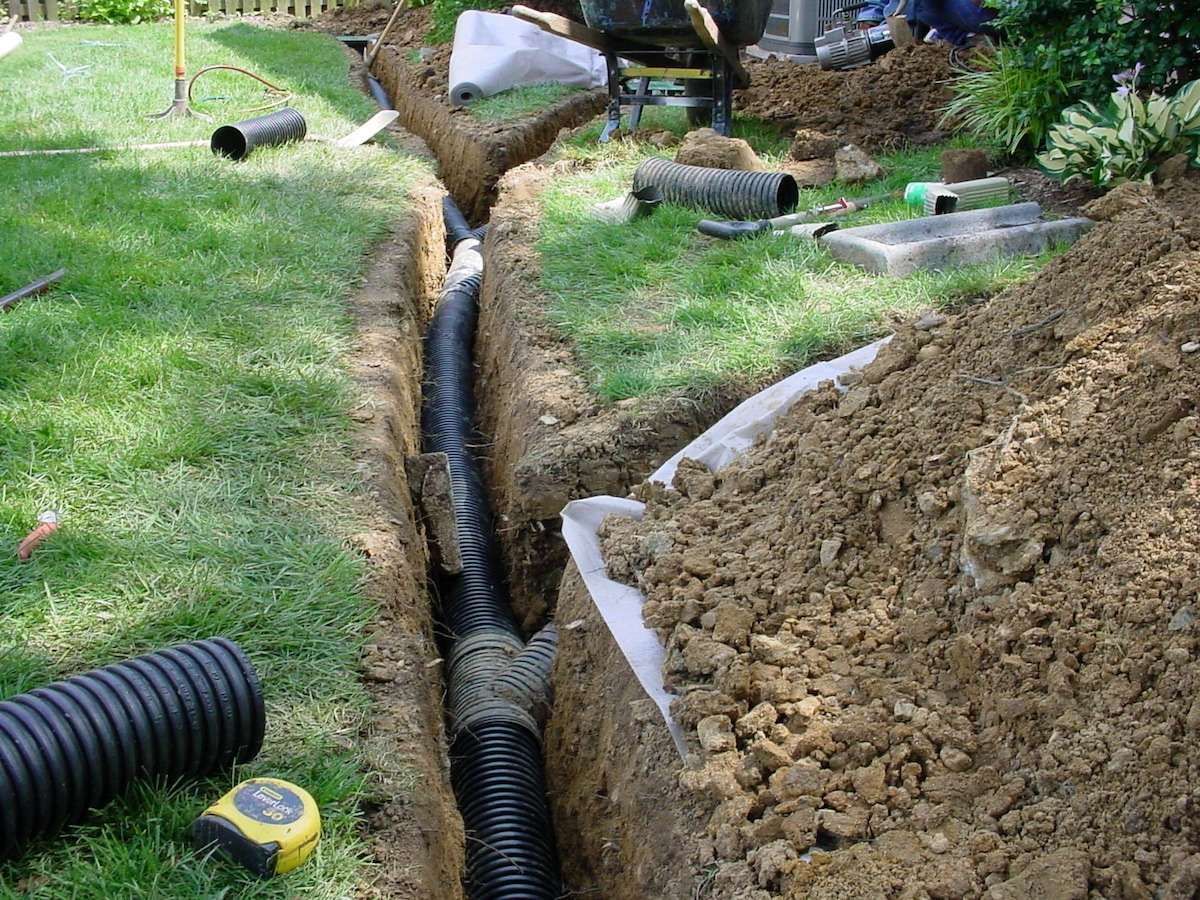
Drainage is therefore one of the most important parts of retaining wall design. The finished wall may be what everyone sees, but what happens behind and around it can have a major effect on how well it performs. Proper grading, drainage planning, base preparation, and construction all work together.
Several conditions can contribute to retaining wall problems, including:
- Poor or inadequate drainage behind the wall
- Water repeatedly saturating the surrounding soil
- An insufficient or improperly prepared base
- Soil erosion around the wall
- Improper grading that directs water toward the structure
- A wall that was not designed for the amount of soil it is retaining
- Aging or deteriorating construction materials
- Changes to landscaping, drainage, or surrounding structures after the wall was built
Georgia's clay-rich soils can make water management particularly important. When the ground becomes saturated during periods of heavy rainfall, conditions around a retaining wall can change considerably. If runoff is repeatedly directed toward the wall instead of safely through or around the landscape, problems may gradually develop.
Erosion can create another challenge. Soil washing away from the base or sides of a retaining wall may reduce support in areas that were originally stable. At the same time, runoff from uphill portions of a property can carry additional soil and water toward the wall. This is why retaining wall construction and landscape drainage often need to be considered together rather than treated as completely separate projects.
Can a Failing Retaining Wall Be Repaired?
Whether a retaining wall can be repaired depends on what is wrong with it and how extensive the damage has become. An isolated problem does not always require rebuilding the entire structure. In other cases, repairing only the most visible section may not address the reason the wall is moving in the first place.
For example, replacing a few shifted blocks may improve the appearance temporarily, but it will not solve a drainage problem that is continuing to create excessive pressure behind the wall. Similarly, repairing deteriorated material may not be enough if the base beneath the wall has shifted or eroded.
When evaluating whether repair or replacement makes sense, a contractor may consider:
- The amount of movement. A small isolated area may present different options than a wall that is leaning across most of its length.
- The condition of the materials. Extensive rot, cracking, or deterioration may make replacement more practical.
- The condition of the base. A wall needs dependable support beneath it, not just intact materials above ground.
- Existing drainage. Water problems should be identified so they can be corrected as part of the project.
- The surrounding grade. Slopes and elevation changes affect how much work the wall needs to perform.
- Future landscape plans. A homeowner may want to change the layout rather than rebuild the same wall in the same configuration.
The goal should be to address the cause of the problem rather than simply improve what is visible from the yard. If replacement is necessary, it creates an opportunity to reconsider drainage, grading, materials, and the layout of the surrounding landscape at the same time.
For properties in Cumming, Alpharetta, Johns Creek, Milton, Canton, and other North Georgia communities, that broader approach can be especially useful on sloped lots. A retaining wall should work with the terrain and water movement of the property rather than constantly fighting against them.
A New Retaining Wall Can Create More Than Structural Support
Replacing a failing retaining wall may begin as a necessary repair, but it can also become an opportunity to improve the way the surrounding yard looks and functions. Instead of automatically rebuilding the exact same wall, homeowners can consider whether a different layout could make better use of the property's elevation changes.
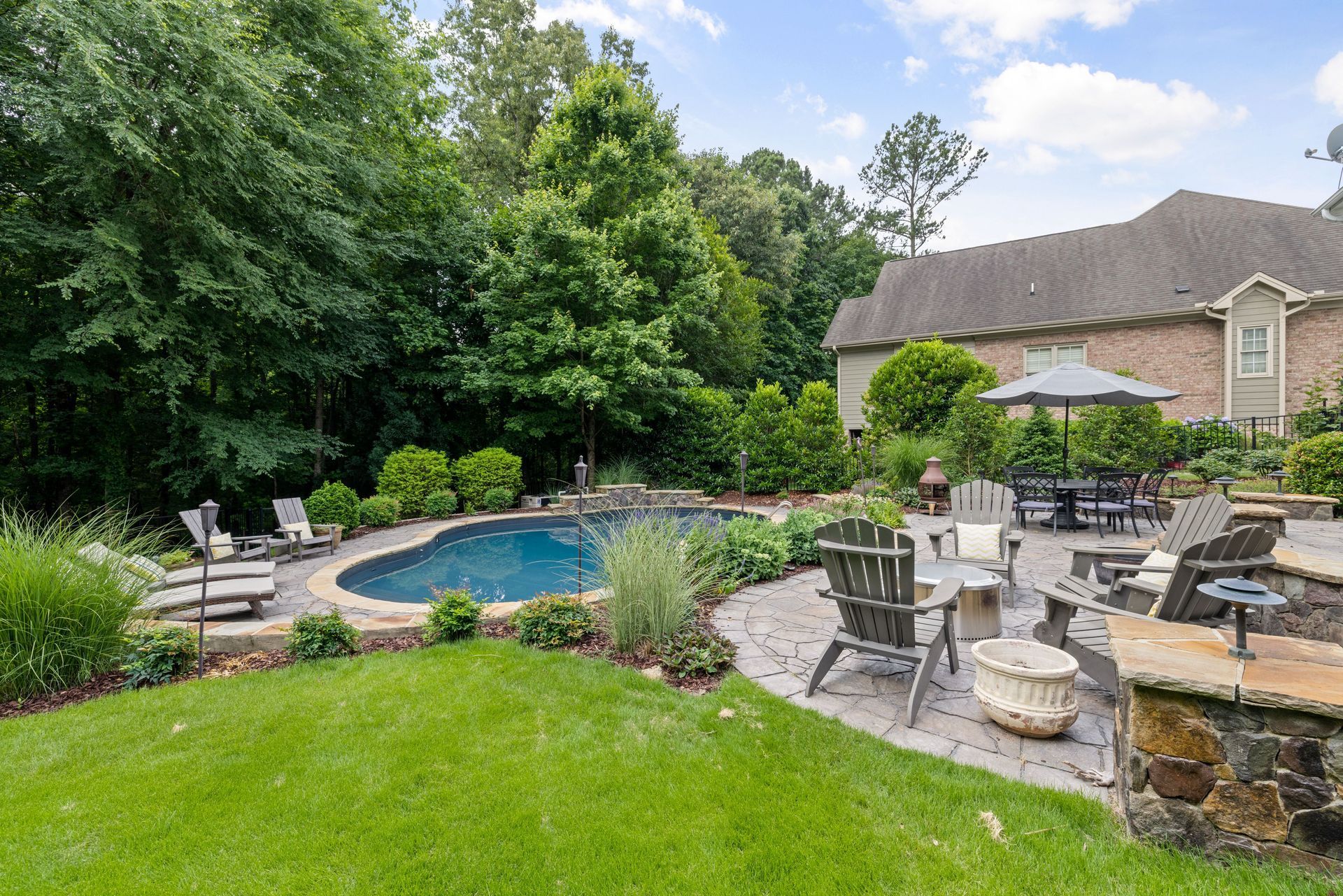
This is particularly useful on steep North Georgia properties where a large portion of the yard may be difficult to landscape or enjoy. Retaining walls can divide a slope into smaller, more manageable areas and create opportunities for planting beds, steps, terraces, patios, or flatter sections of lawn.
A new retaining wall can potentially help homeowners:
- Stabilize a sloped or uneven portion of the property
- Help control erosion and soil movement
- Create tiered planting and garden areas
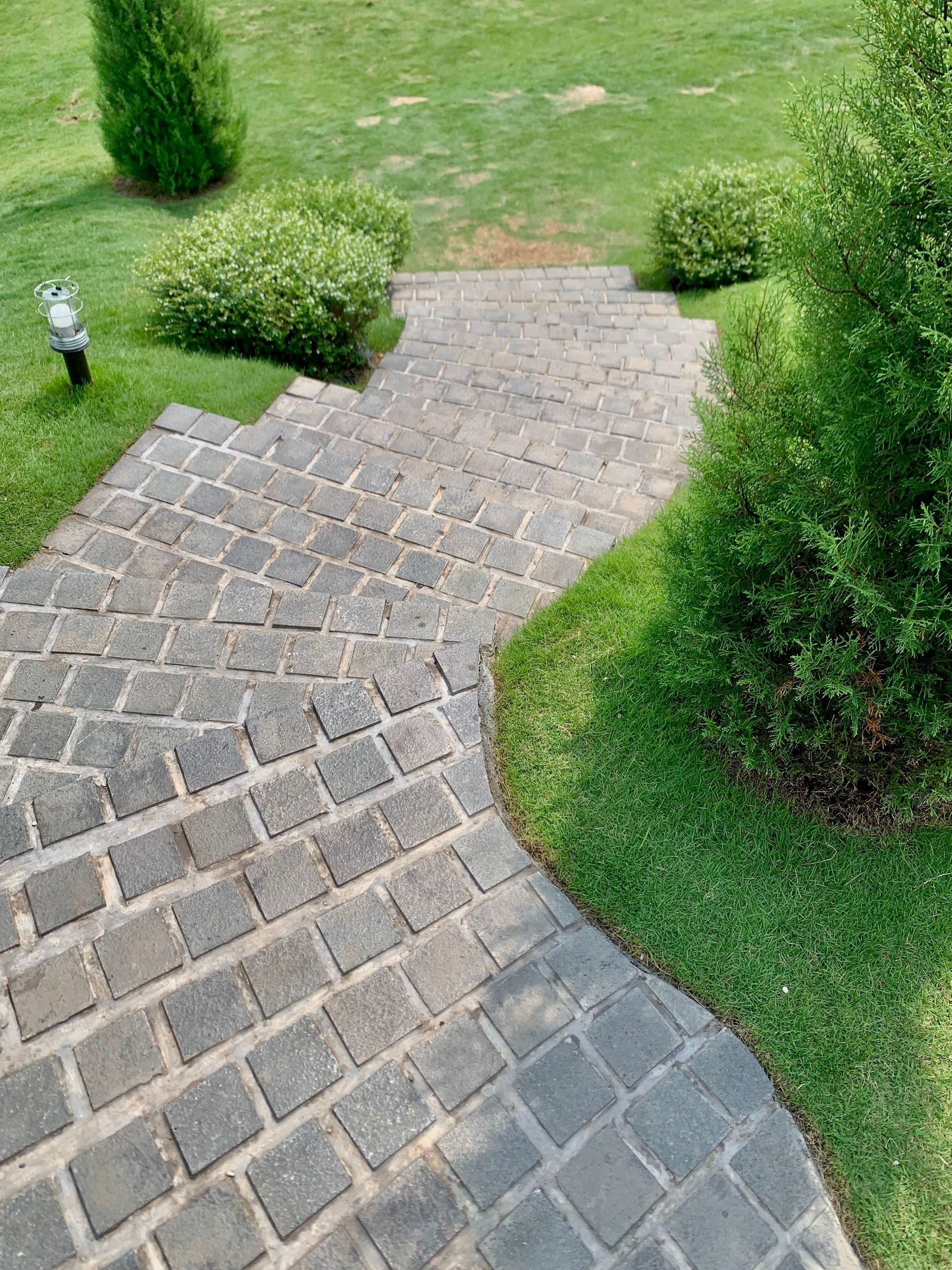
- Add steps through a difficult elevation change
- Create more usable space around a patio or outdoor living area
- Coordinate walls with walkways and other hardscape features
- Improve drainage as part of the overall landscape plan
- Replace an aging wall with materials that complement the home
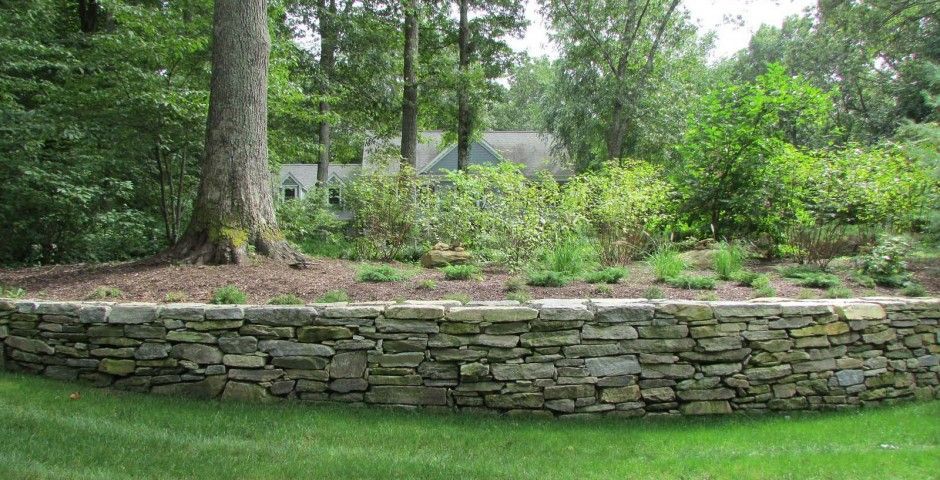
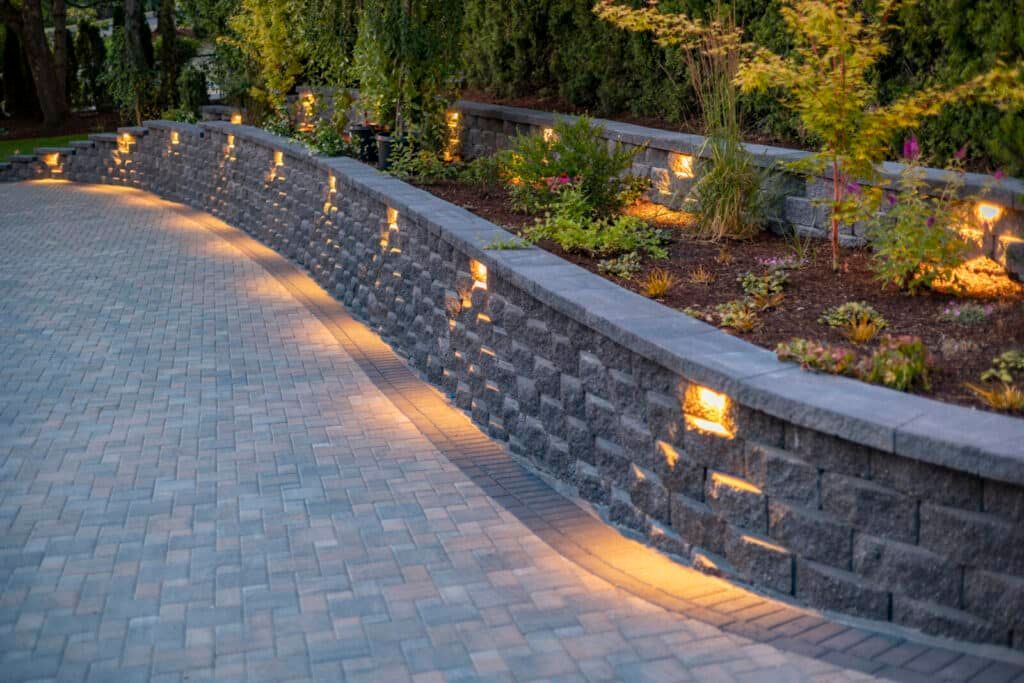
Material selection can dramatically affect the finished appearance. Natural stone and stacked-stone walls can blend beautifully with wooded properties and garden settings, while segmental concrete block can create cleaner, more uniform lines. Brick, stone veneer, timber, and other materials may also be appropriate depending on the wall's purpose, location, height, budget, and surrounding landscape.
Tiered walls can be particularly effective when a single tall slope dominates the yard. Breaking the elevation change into several levels can make the landscape feel less severe while creating spaces for plants, pathways, or steps. The finished result can solve a practical grading problem while becoming an intentional part of the landscape design.
Retaining Wall Installation in Cumming and Forsyth County
Building a retaining wall that looks attractive is only part of the job. The wall also needs to be planned for the conditions of the property. That begins with understanding the slope, soil, drainage, elevation changes, surrounding structures, and the amount of earth the wall will retain.
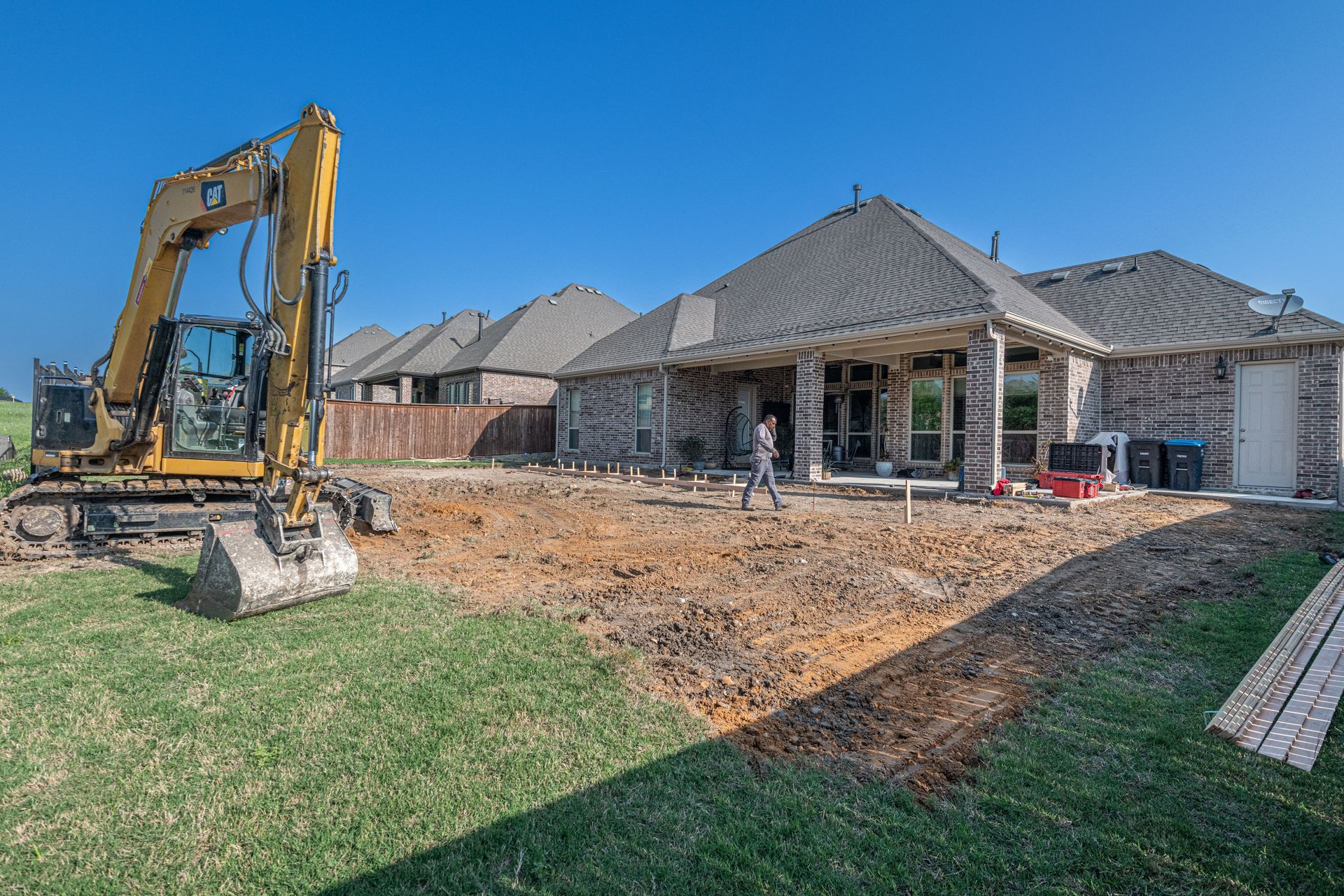
Site preparation and base construction are equally important. A carefully selected stone or block will not compensate for poor preparation underneath it. Alignment, grading, drainage, material placement, and the way the wall connects to the surrounding property all influence the completed project.
This is also why retaining wall projects can benefit from working with a landscape contractor who understands the entire property. Horticultural Gardens can coordinate retaining walls with features such as:
- Landscape drainage improvements
- Grading and erosion-control solutions
- Masonry and landscape steps
- Flagstone and other walkways
- Planting beds and landscape design
- Patios and outdoor living spaces
- Landscape lighting
Considering these elements together can produce a better result than treating the retaining wall as an isolated structure. If drainage needs to be corrected, it can be incorporated into the project. If the homeowner wants steps through the slope or a new planting area above the wall, those features can be considered during the design instead of being added later.
Horticultural Gardens designs and installs custom retaining walls for residential and commercial properties in Cumming, Forsyth County, and surrounding North Georgia communities. Whether the goal is replacing a deteriorating wall, stabilizing a slope, controlling erosion, or creating more usable outdoor space, each project can be designed around the specific conditions and appearance of the property.
For property owners in Cumming, Alpharetta, Roswell, Johns Creek, Milton, Canton, Dawsonville, Gainesville, Buford, and nearby North Georgia areas, visible movement in a retaining wall is worth investigating before the problem becomes more extensive. Addressing the wall, drainage, and surrounding landscape together can provide a more complete long-term solution.
If your retaining wall is leaning, cracking, deteriorating, or no longer managing the slope the way it should, contact Horticultural Gardens to schedule a site evaluation. A professionally designed replacement can do more than restore support to the landscape—it can create a stronger, more attractive, and more usable outdoor space.