Does Your Yard Need Grading? Warning Signs for Cumming, GA Homeowners
Signs the Shape of Your Yard Is Working Against You
Many homeowners notice problems in their yards without realizing that the shape of the land may be the underlying cause. Grass struggles in one area, mulch washes out of planting beds, puddles remain for days after a storm, or soil slowly disappears from a slope. These issues may look unrelated, but they can all point to a grading problem.
Yard grading refers to the slope, elevation, and contour of the land. It is not simply a matter of making the ground flat. A properly graded property directs water in a controlled direction, supports healthy landscaping, and creates a stable base for lawns, patios, walkways, retaining walls, and other outdoor improvements.
For homeowners in Cumming and throughout North Georgia, grading is especially important because many properties include hills, uneven terrain, clay-heavy soil, wooded areas, and significant elevation changes. Heavy rain can quickly reveal weaknesses in the landscape by creating runoff, erosion, standing water, and shifting soil.
One of the most common signs of poor grading is water collecting near the home. After rainfall, water should move away from the foundation rather than settling beside it. If puddles repeatedly form near exterior walls, basement entrances, crawl spaces, patios, or garage doors, the surrounding slope may not be directing runoff properly.
Other warning signs that your yard may need professional grading include:
- Low areas that remain muddy long after the rest of the yard dries
- Soil washing downhill during storms
- Mulch repeatedly leaving planting beds
- Bare patches where grass will not establish
- Exposed tree roots or plant roots
- Uneven areas that are difficult to mow or walk across
- Water collecting near patios, walkways, or retaining walls
- Small channels forming where runoff repeatedly travels
- Soil pulling away from hardscape edges
- Newly added topsoil disappearing after heavy rain
Standing water does not always mean the entire yard must be reshaped. A small low spot may require a limited correction, while a larger drainage pattern may call for more extensive grading. The important step is determining why the water is collecting and where it should be directed instead.
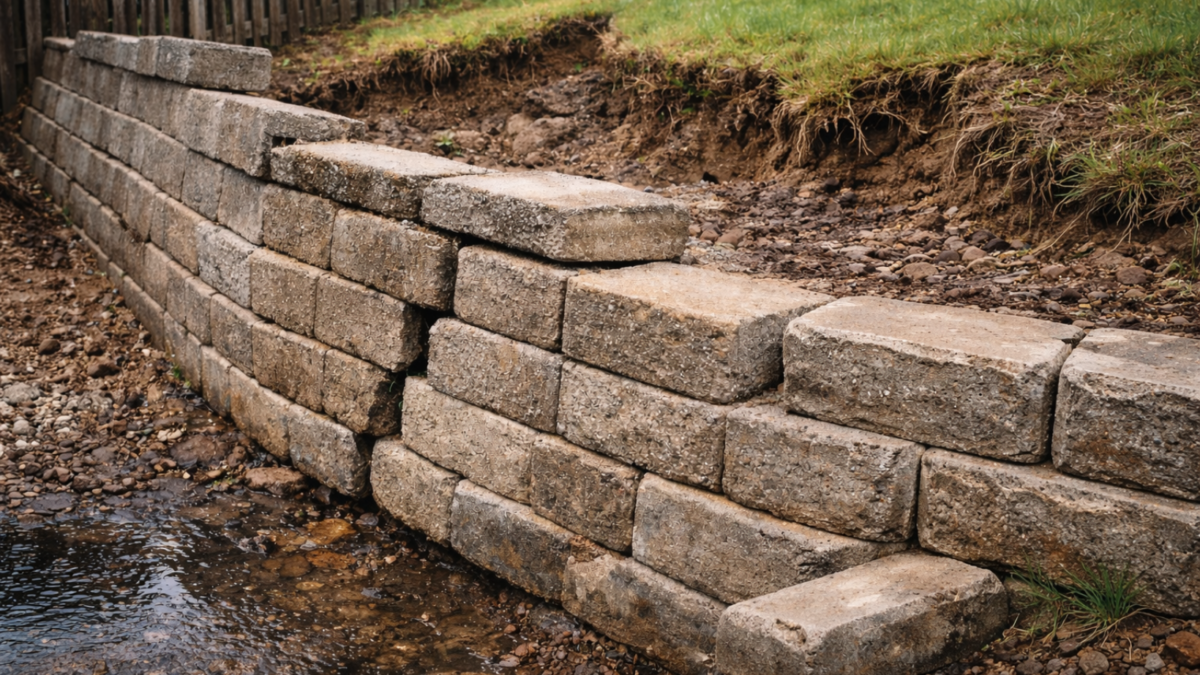
Erosion is another strong sign that the current grade is not working well. When runoff moves too quickly across a slope, it can carry soil, mulch, seed, and plant material with it. Over time, the ground may become uneven, roots may become exposed, and planting beds may lose the material needed to support healthy growth.
Homeowners may also notice that some areas of the yard stay overly wet while others dry out quickly. This uneven moisture can make landscaping difficult. Plants in low areas may struggle with saturated roots, while plants higher on the slope may not retain enough water. Proper grading can help create more balanced growing conditions across the property.
The following differences can help separate minor surface issues from larger grading concerns:
- Minor surface issue: One shallow depression, limited mulch movement, or a small uneven area with no ongoing erosion
- Moderate grading concern: Repeated puddling, visible runoff channels, exposed roots, or soil movement in several areas
- Larger grading concern: Water moving toward the home, widespread erosion, unstable slopes, or settling around hardscape features
Adding more soil to a low area may seem like a simple solution, but it may not last if the larger drainage pattern remains unchanged. New material can wash away, settle unevenly, or redirect water toward another part of the property. The same is true of repeatedly reseeding grass without correcting the conditions that prevent it from growing.
Poor grading can also affect how homeowners use the yard. Uneven ground may make mowing difficult, create unstable footing, or limit where outdoor furniture and play equipment can be placed. A sloped or poorly shaped area may remain unused simply because it feels awkward or difficult to maintain.
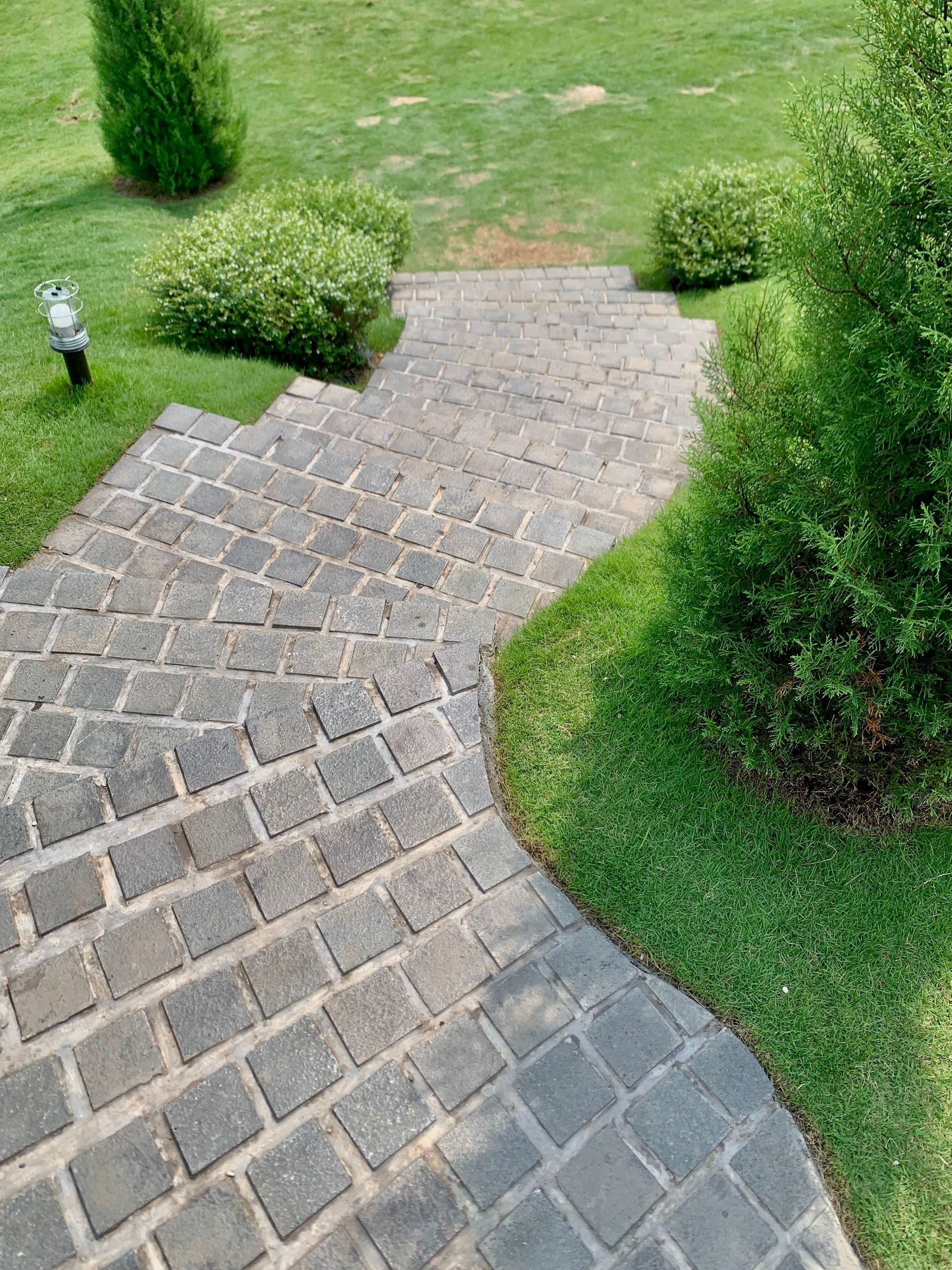
Hardscape features often provide additional clues. Patios, stepping stones, walkways, and retaining walls depend on stable surrounding soil. If soil is settling around them, water is collecting along their edges, or gaps are developing between surfaces, the nearby grade may need attention.
Tree removal can create grading concerns as well. Once a large tree and stump are removed, the surrounding soil may settle or leave a depression. Roots that once helped hold soil in place may also begin decomposing, changing the stability of the area. Regrading can prepare the space for new planting, lawn installation, or another landscape feature.
A professional landscape evaluation looks at more than the visible puddle or bare patch. It considers elevations, runoff patterns, soil condition, slopes, existing plants, nearby structures, and the way the entire yard connects. This broader view helps identify whether the problem can be corrected locally or should be addressed as part of a larger landscape plan.
Horticultural Gardens has extensive experience working with North Georgia terrain and understands how local slopes, soil, rainfall, and plant conditions affect residential landscapes. For Cumming homeowners, identifying grading concerns early can help protect existing landscaping and create a better foundation for future improvements.

What Professional Yard Grading Actually Involves
Professional yard grading is a planned process of reshaping the land so it supports drainage, stability, landscaping, and everyday use. The work may involve correcting one low area, redistributing soil across a slope, preparing ground after tree removal, or reshaping a larger portion of the property before new landscaping is installed.
The process begins with evaluating the existing conditions. A landscape professional looks at where water currently enters the property, how it moves during rainfall, where it collects, and which areas show signs of erosion or settlement. The relationship between the yard, home, driveway, patios, walkways, retaining walls, and neighboring properties must also be considered.
Not every grading project requires heavy equipment or a complete yard renovation. The scope depends on the problem and the homeowner’s goals. Common grading projects include:
- Filling and reshaping isolated low spots
- Correcting a slope that directs water toward the home
- Preparing an area for a new lawn or planting bed
- Regrading land after tree or stump removal
- Creating a stable base for a patio or walkway
- Reshaping a slope before retaining wall installation
- Improving access to an uneven portion of the yard
- Preparing the site for a water feature or outdoor living area
Soil may need to be added, removed, or redistributed depending on the existing elevations. In some areas, unsuitable or loose material may need to be removed before a more stable base is created. The soil must also be shaped carefully so water moves where intended without creating an overly steep or unnatural-looking slope.
Compaction is another important part of grading. Soil that is placed but not properly compacted may settle over time, creating new dips and uneven areas. This is especially important beneath patios, walkways, walls, and other hardscape features that depend on a stable foundation.
A typical grading process may include:
- Inspecting the property and identifying the main problem areas
- Evaluating elevations and existing drainage patterns
- Removing debris, roots, loose soil, or unsuitable material
- Adding or redistributing soil where needed
- Shaping and compacting the final grade
- Connecting the graded area with surrounding landscape features
- Stabilizing exposed soil with plants, mulch, stone, sod, or seed
The final step is especially important because freshly disturbed soil is vulnerable to erosion. Leaving a newly graded slope bare can allow the next heavy rain to undo part of the work. Plant roots, mulch, stone, erosion-control materials, and other finishes help hold the surface in place while the landscape becomes established.
How Grading Supports Drainage, Planting, and Hardscaping
Grading affects nearly every part of a landscape. Even when the homeowner’s main goal is a new patio, lawn, walkway, or planting bed, the ground beneath and around that feature must be shaped correctly for the finished project to perform well.
For lawns and planting areas, proper grading helps manage how water reaches the roots. Low areas may remain saturated, while steep slopes can shed water too quickly. Reshaping the land can create more consistent moisture conditions and reduce the stress placed on plants.
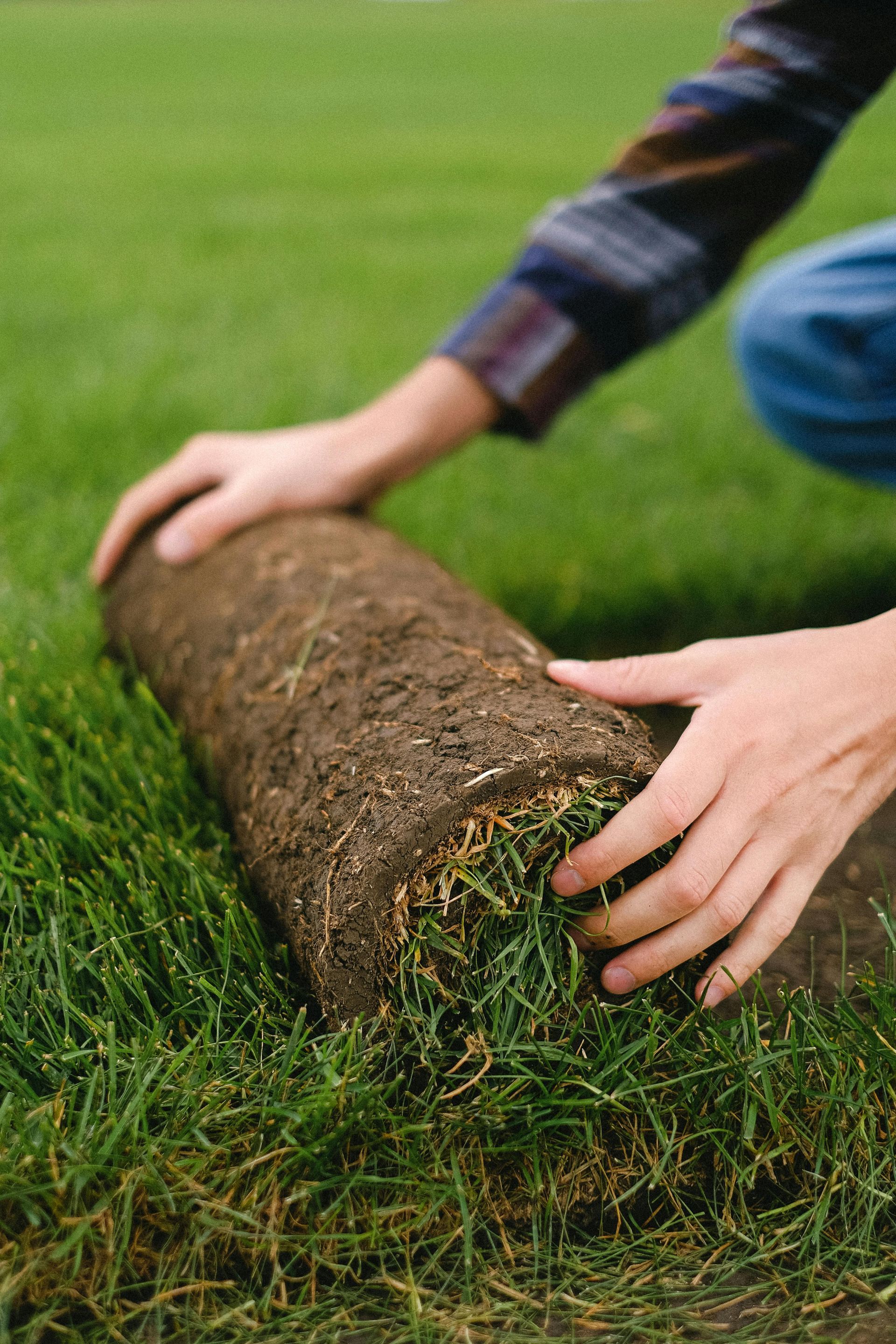
A lawn installed over uneven or poorly prepared ground may develop thin spots, puddles, scalped areas from mowing, or sections that are difficult to maintain. Preparing the grade before sod or seed is installed gives the new lawn a more stable and usable surface.
Planting beds also depend on a thoughtful slope. Water should reach plants without washing mulch and soil away. Beds positioned along a hillside may need edging, stonework, terracing, or retaining features to help control movement and create defined planting spaces.
Hardscaping requires even more careful site preparation. A patio or walkway placed over unstable or poorly compacted soil may settle, separate, or become uneven. Water can also collect along the edges if the surrounding grade is not coordinated with the finished surface.
Projects that often require grading before installation include:
- Patios and outdoor seating areas
- Stone walkways and garden paths
- Retaining walls and terraced planting beds
- New lawns and sod installation
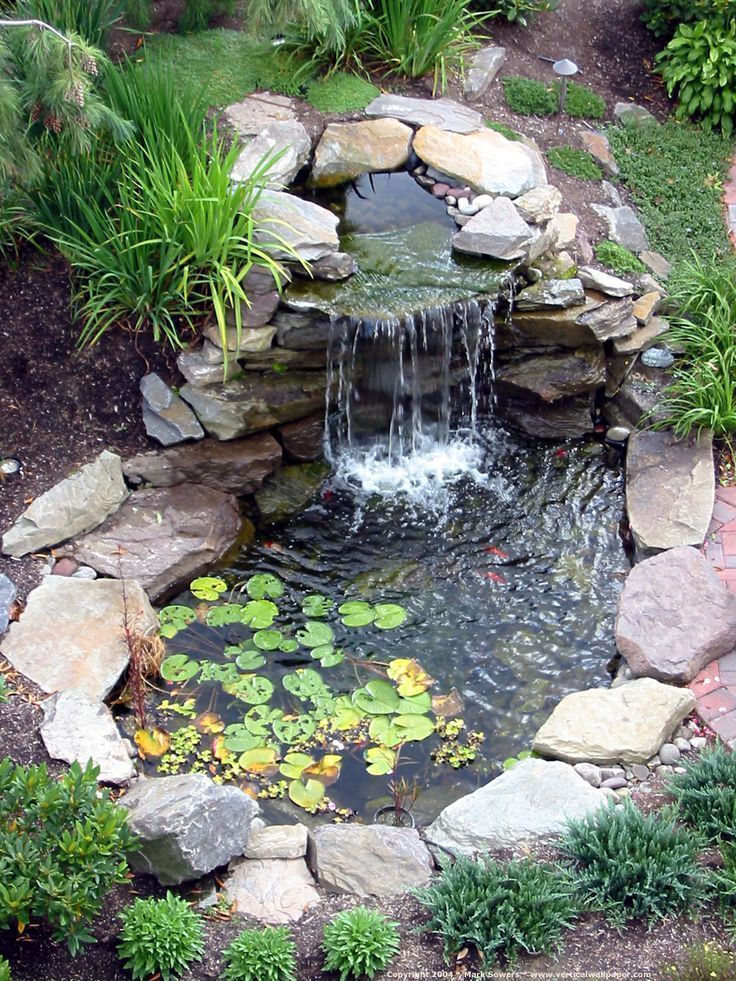
- Water features and pond areas
- Fire pits and outdoor gathering spaces
- Landscape lighting routes and utility preparation
- Drainage improvements and erosion-control projects
Retaining walls are sometimes used alongside grading when a slope needs to be held in place or divided into more usable levels. The wall and surrounding grade must be designed together so water does not build up behind the structure or move around it in damaging ways.
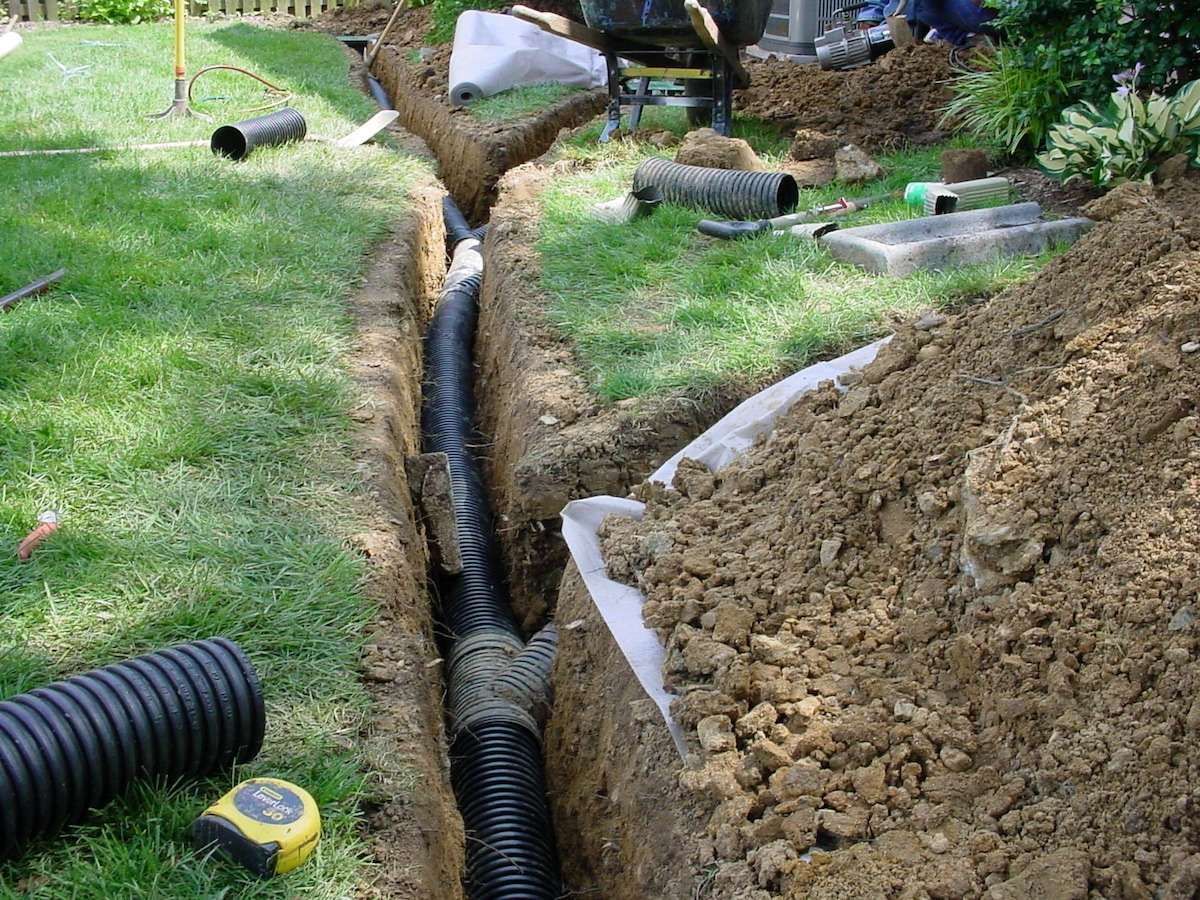
Drainage and grading are closely connected, but they are not exactly the same. Grading shapes the land to influence the direction of water. Drainage systems may collect, redirect, or carry water through pipes, channels, gravel, or other features. Depending on the property, the most effective solution may involve one or both.
Poor site preparation can lead to repeated problems. A patio may be repaired more than once because the ground beneath it continues settling. A lawn may be reseeded each year because runoff keeps carrying soil away. A planting bed may require constant mulch replacement because water moves too quickly across it.
Addressing the grade before installing new features helps prevent that cycle. It also allows elevations, drainage, planting, and hardscape transitions to be planned as one complete system rather than a collection of separate repairs.
For homeowners in Cumming, Alpharetta, Roswell, Johns Creek, and nearby North Georgia communities, professional grading can create a more stable starting point for nearly any landscape improvement. The goal is not to force every yard into the same shape. It is to work with the natural property while making the space more functional, attractive, and manageable.

When Grading Should Be Combined With Other Landscape Improvements
Grading is often most effective when it is planned as part of a larger landscape project. Reshaping the land affects water flow, planting conditions, access, hardscape elevations, and the overall appearance of the property. Completing the grading first and then planning everything else around it can create a more cohesive finished yard.
For example, a homeowner may begin by wanting to correct one muddy area. During the evaluation, it may become clear that runoff from an upper slope is moving through the same location. Correcting the problem could involve reshaping the slope, improving drainage, stabilizing the soil with plants, and creating a better transition to a nearby walkway.
Tree removal is another project that pairs naturally with grading. After a tree and stump are removed, the remaining depression or disturbed soil may not be ready for grass, planting, or construction. Regrading the area can restore a smooth transition and prepare it for its next use.
Grading is commonly coordinated with:
- Drainage and erosion-control improvements
- Retaining wall installation
- New lawns, sod, or seed
- Tree and stump removal
- Planting beds and landscape design
- Patios, stonework, and walkways
- Water features and garden areas
- Outdoor living spaces
- Landscape lighting preparation
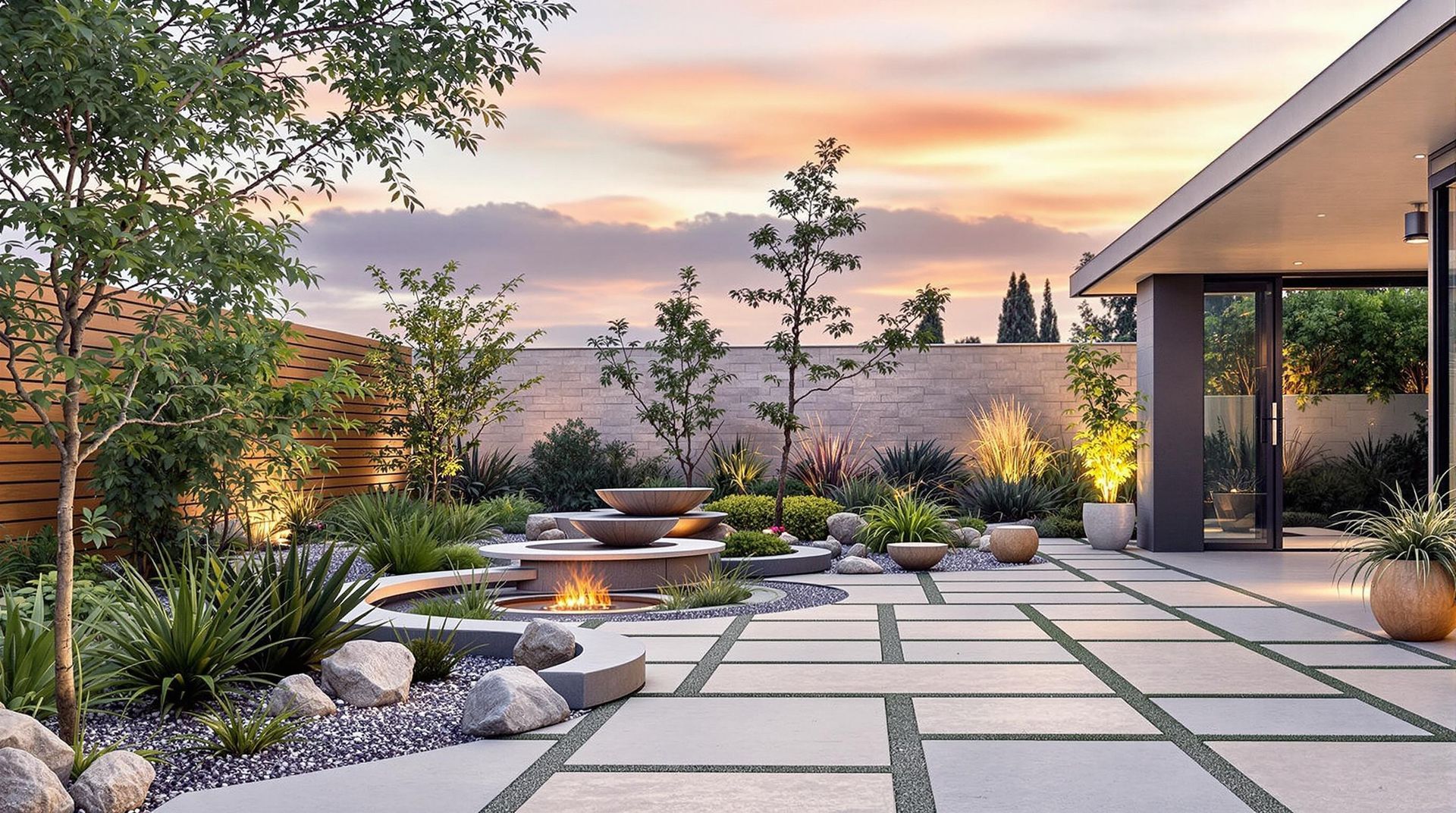
Homeowners planning a patio, fire pit, or outdoor seating area should discuss grading before deciding on the final location. The selected area must be stable, accessible, and connected to the surrounding yard. It should also avoid creating a new obstacle in the path of runoff.
The same is true for retaining walls. A wall should not be treated as a decorative feature alone. It may need to support soil, manage elevation changes, and work with the drainage plan. Grading determines how the land meets the wall and how water moves across the finished area.
Before grading or landscape construction begins, homeowners should consider:
- Where should rainwater move after the work is complete?
- Which trees, plants, and landscape features should remain?
- Will a retaining wall or terraced area be needed?
- Are patios, walkways, or outdoor rooms planned?
- How will equipment reach the work area?
- How will disturbed soil be stabilized?
- Could future additions change the landscape again?
- How should the finished area connect with the rest of the yard?
Equipment access is easy to overlook. Grading may require machinery to move through gates, side yards, or landscaped areas. Planning access before work begins can reduce unnecessary disturbance and help protect features that are intended to remain.
Existing plants should also be evaluated carefully. Some may need to be temporarily moved, protected, or incorporated into the new design. Others may no longer suit the revised moisture and slope conditions. A complete landscape plan helps ensure the plant selection works with the finished grade.
A unified approach can also prevent newly completed work from being disturbed later. Installing a new lawn before completing the grading, drainage, patio, or retaining wall work may mean portions of the lawn must be removed again. Coordinating the project in the correct order protects the investment and creates a cleaner result.
Yard Grading and Landscape Design in Cumming and North Georgia
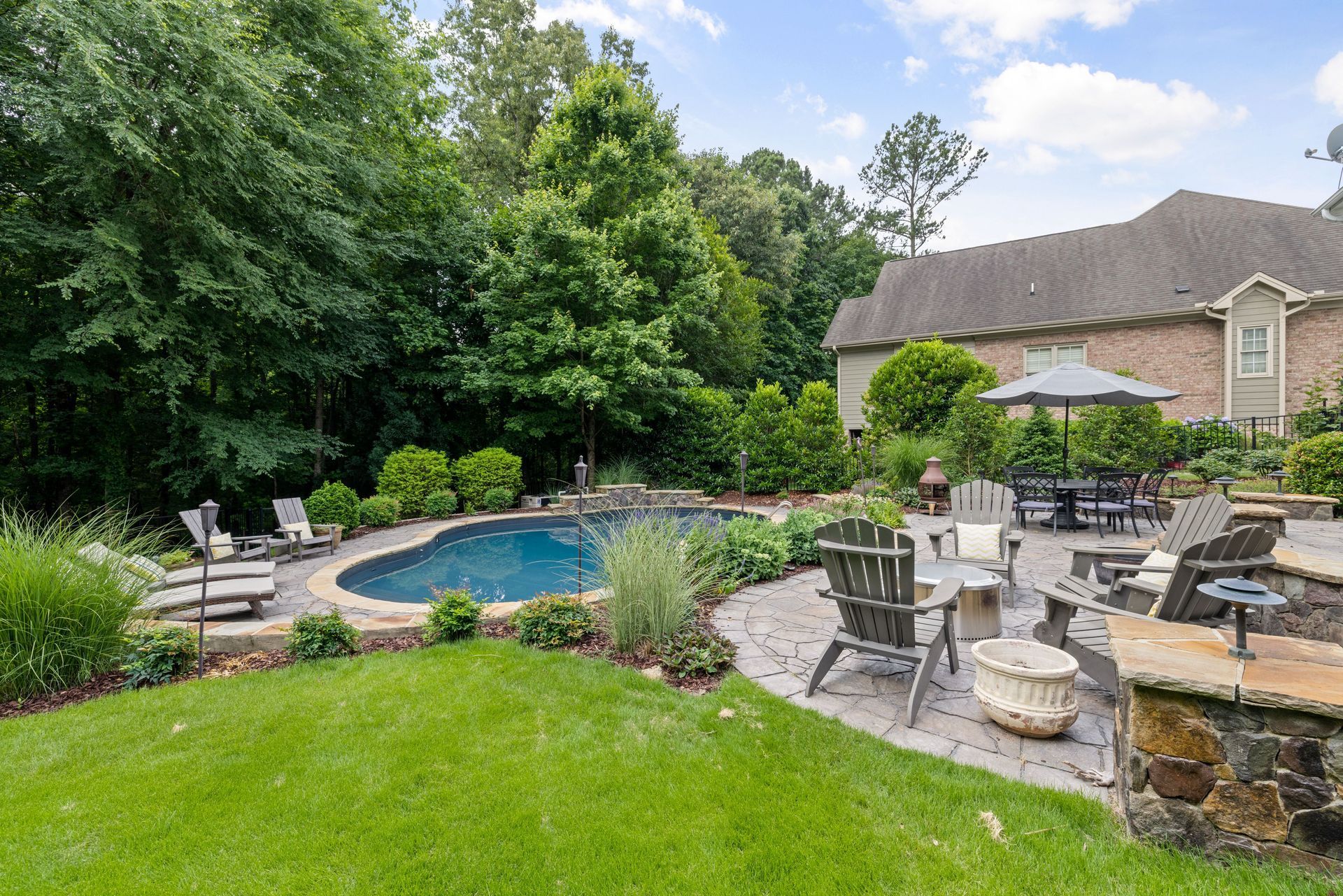
A well-graded yard creates the foundation for a healthier and more usable landscape. It can help control runoff, reduce erosion, support lawns and plants, and prepare the property for patios, walkways, walls, and outdoor living features.
Horticultural Gardens provides grading, landscape design, drainage improvements, retaining walls, masonry, tree removal, planting, and outdoor living services. This range of experience allows the team to consider how each part of the property connects instead of addressing one visible symptom without looking at the larger landscape.
Professional grading can help homeowners:
- Direct water away from problem areas
- Reduce soil erosion and mulch washout
- Improve the condition of lawns and planting beds
- Create safer and more usable outdoor spaces
- Prepare the ground for patios and walkways
- Support retaining walls and sloped landscapes
- Restore areas after tree or stump removal
- Coordinate future landscape improvements
The correct solution depends on the size of the property, the severity of the slope, the condition of the soil, and the homeowner’s plans for the space. Some yards need only a focused correction, while others benefit from a broader redesign that combines grading with drainage, planting, or hardscaping.
North Georgia properties are rarely identical. A wooded lot in Cumming may require a different approach than a landscaped property in Alpharetta or a steep yard near Roswell. Local experience helps account for terrain, rainfall, soil conditions, mature trees, and the way homes are positioned on the land.
If your yard has standing water, washed-out soil, exposed roots, uneven areas, or slopes that are difficult to maintain, contact Horticultural Gardens for a professional evaluation. The team can identify how the current grade is affecting the property and recommend a plan that supports both immediate needs and future landscape goals.
Horticultural Gardens serves homeowners in Cumming, Roswell, Alpharetta, Dunwoody, Duluth, Marietta, Johns Creek, and surrounding North Georgia communities. Whether the project involves a small low spot or a complete landscape transformation, proper grading can help create a yard that looks better, functions more effectively, and remains easier to maintain over time.